Pierpaolo Piccioli’s Balenciaga Haute Couture debut transforms fashion into living architecture. Through sculptural silhouettes, sheer veils, and monumental tailoring, the collection explores visibility, identity, and artistic evolution. Black Style Matters examines how couture reshapes the body into a powerful architectural expression on the Paris runway.
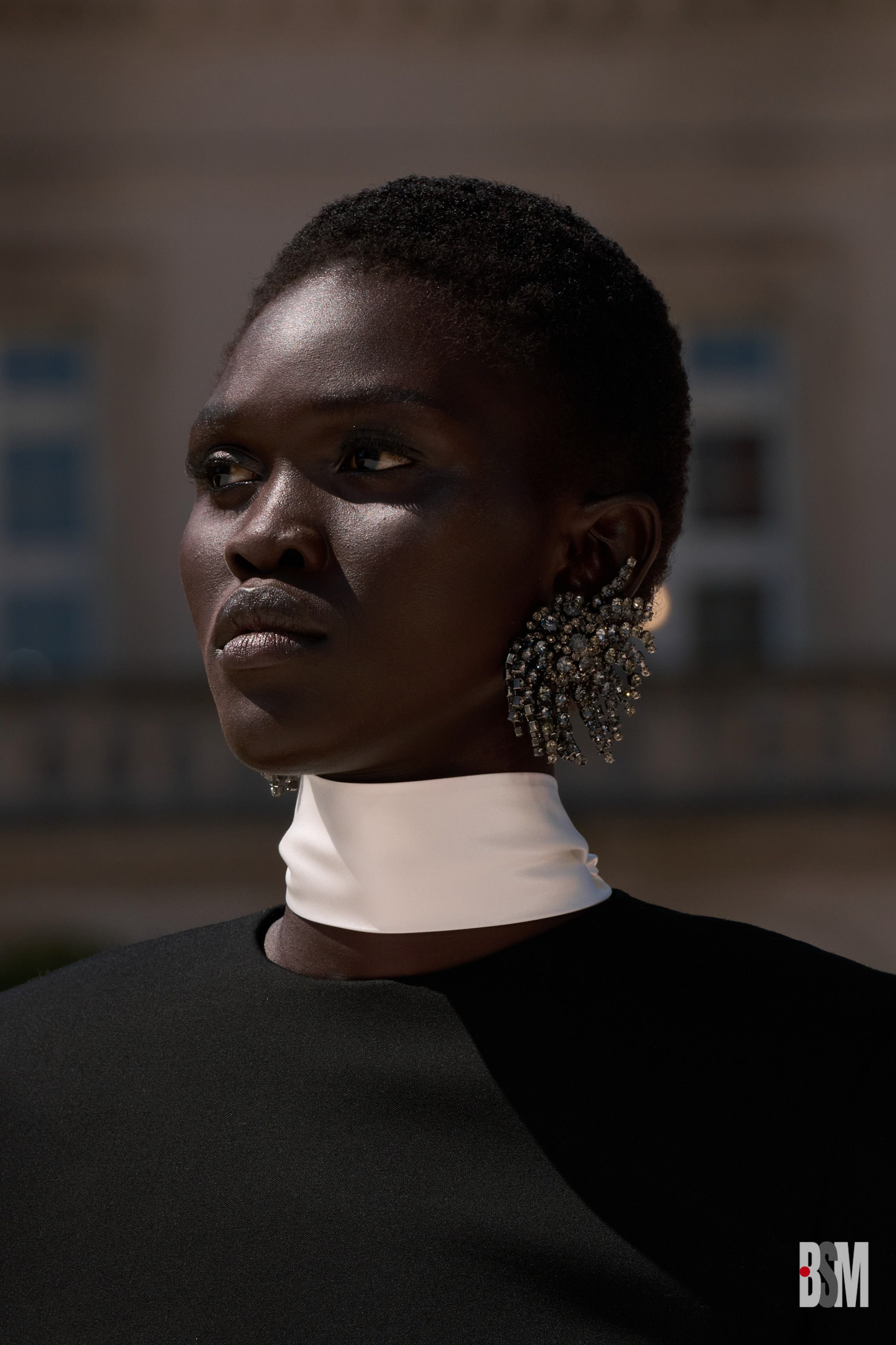
Fashion has always negotiated the relationship between the body and the gaze.
This collection asks a different question:
What happens when the body is no longer the garment's starting point—but its foundation?
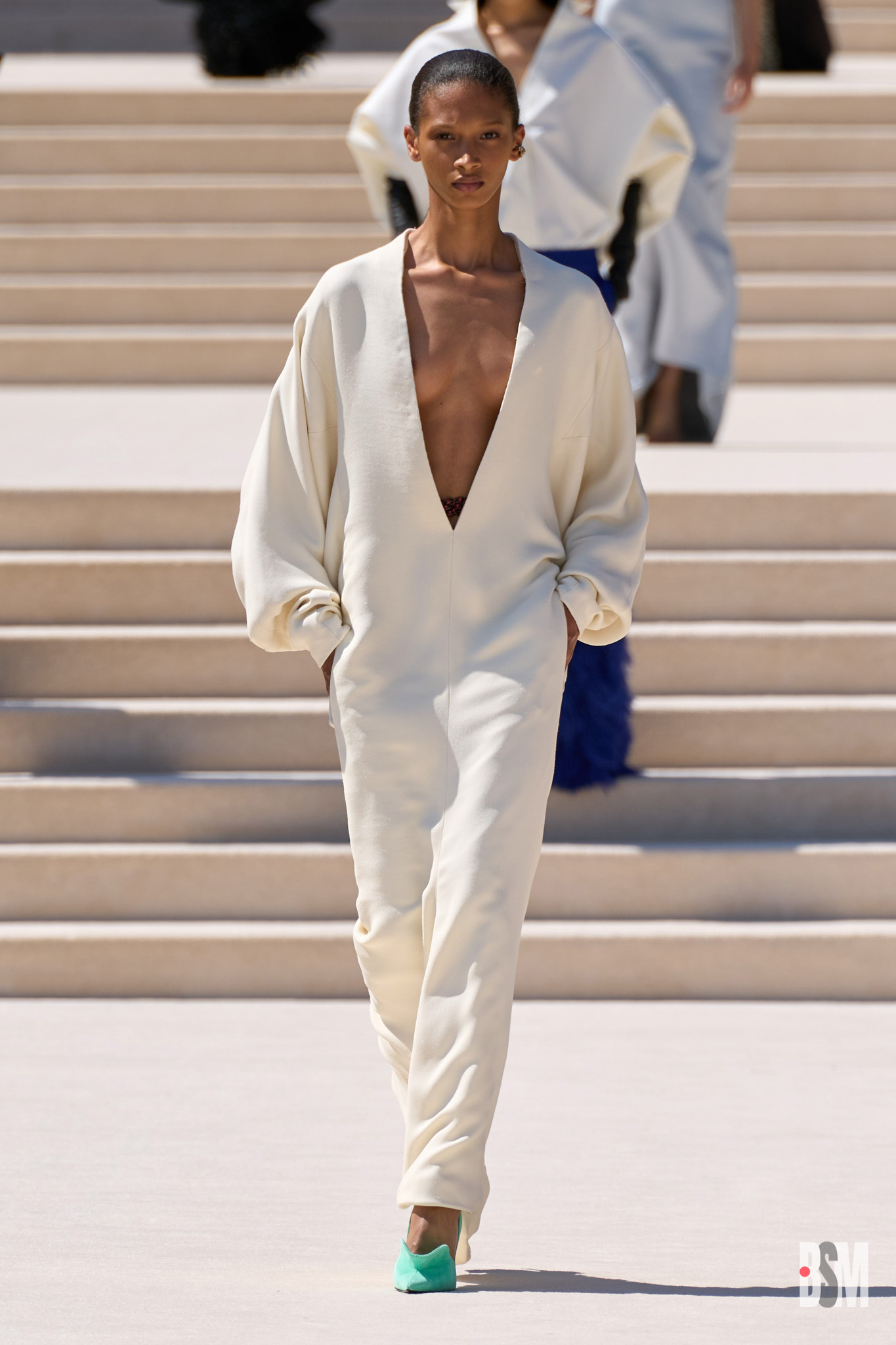
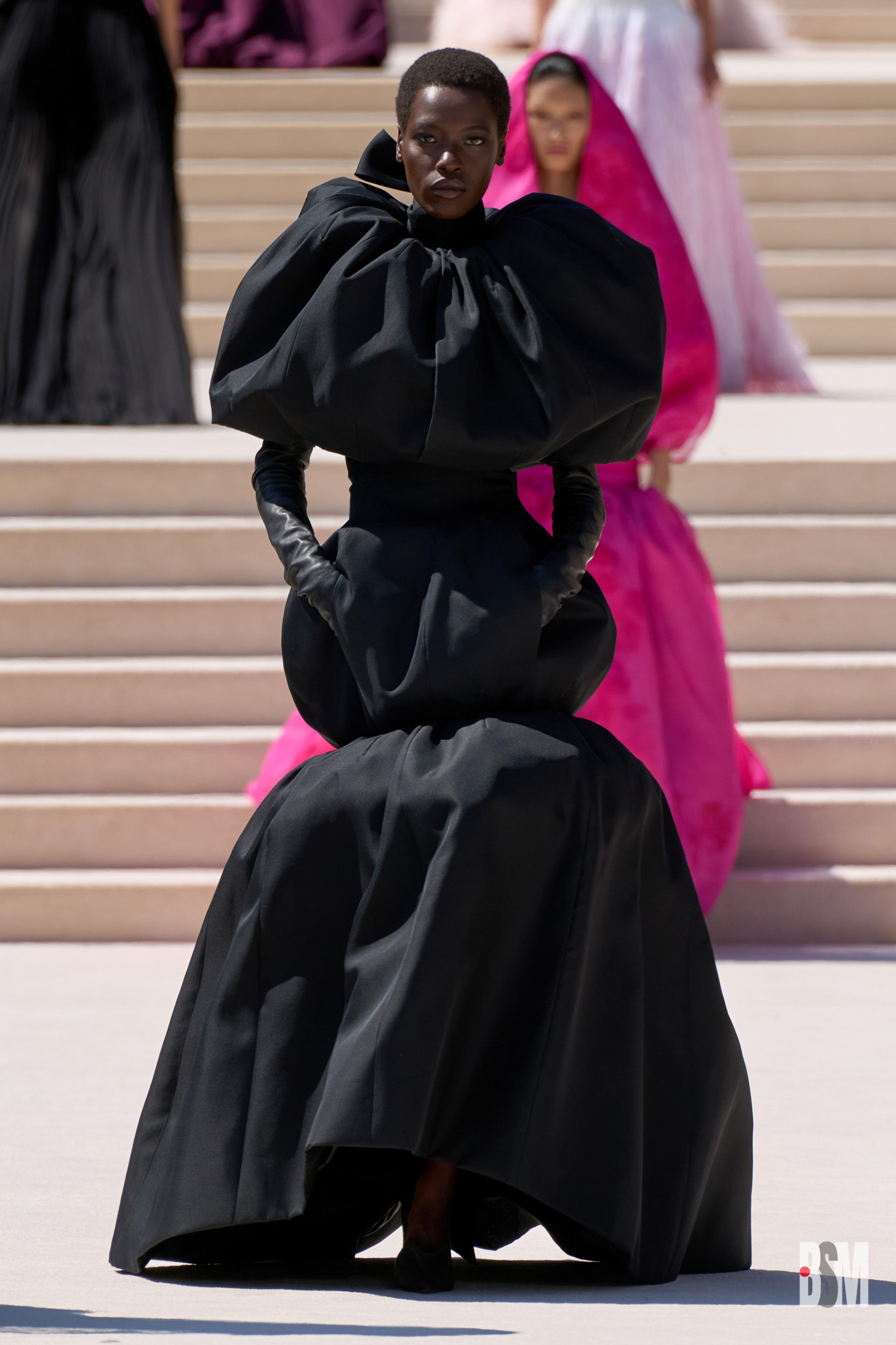
With his debut couture vision for Balenciaga, Pierpaolo Piccioli doesn't simply redesign clothing. He reconsiders the human figure as an architectural site. Every silhouette feels carved rather than sewn. Every volume appears sculpted from space itself. The garments do not rest on the body; they reorganize it.
The result is a collection where couture becomes less about ornament and more about construction.
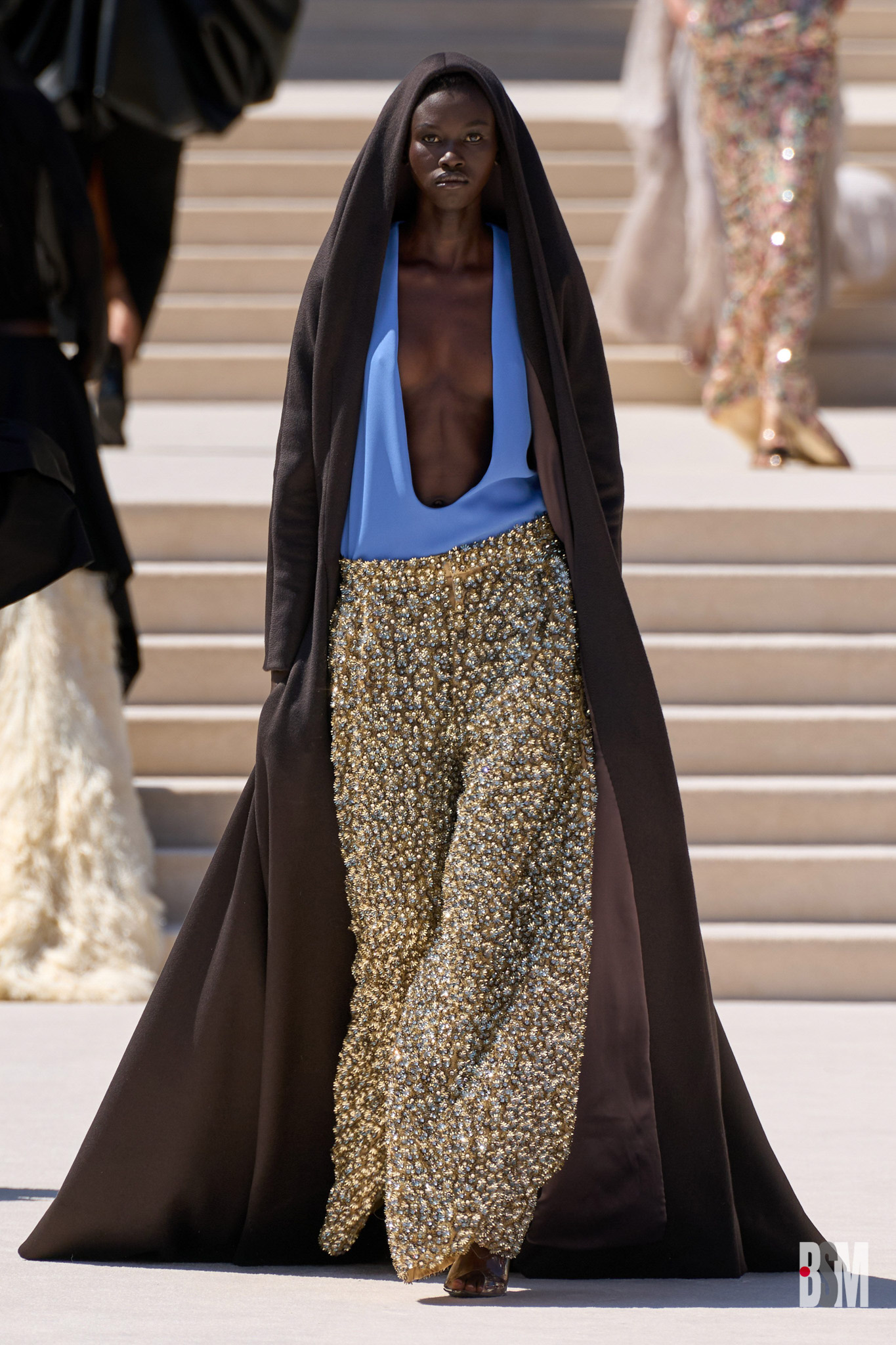
Piccioli's language has always been sculptural.
But here, sculpture evolves into architecture.
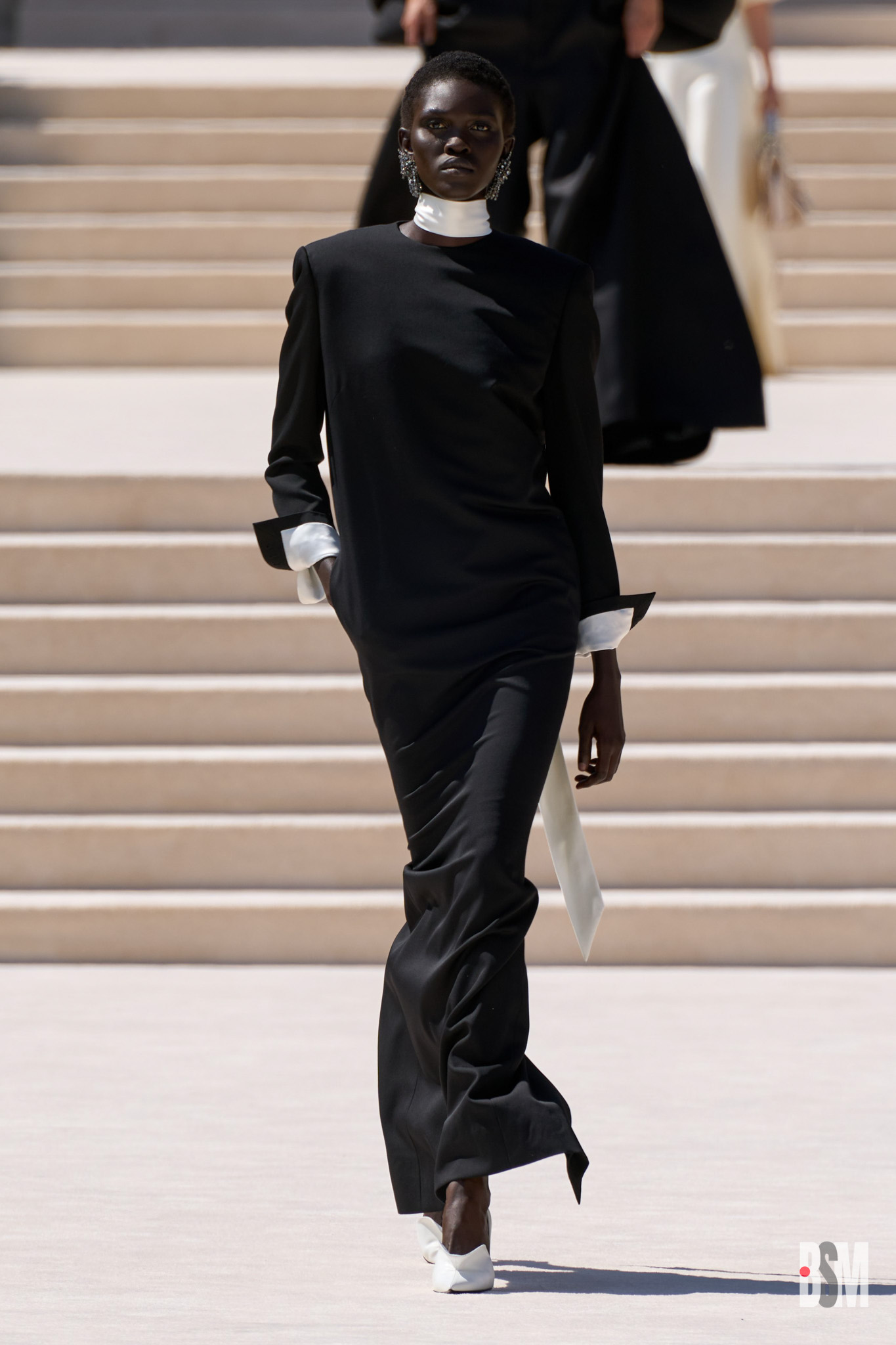
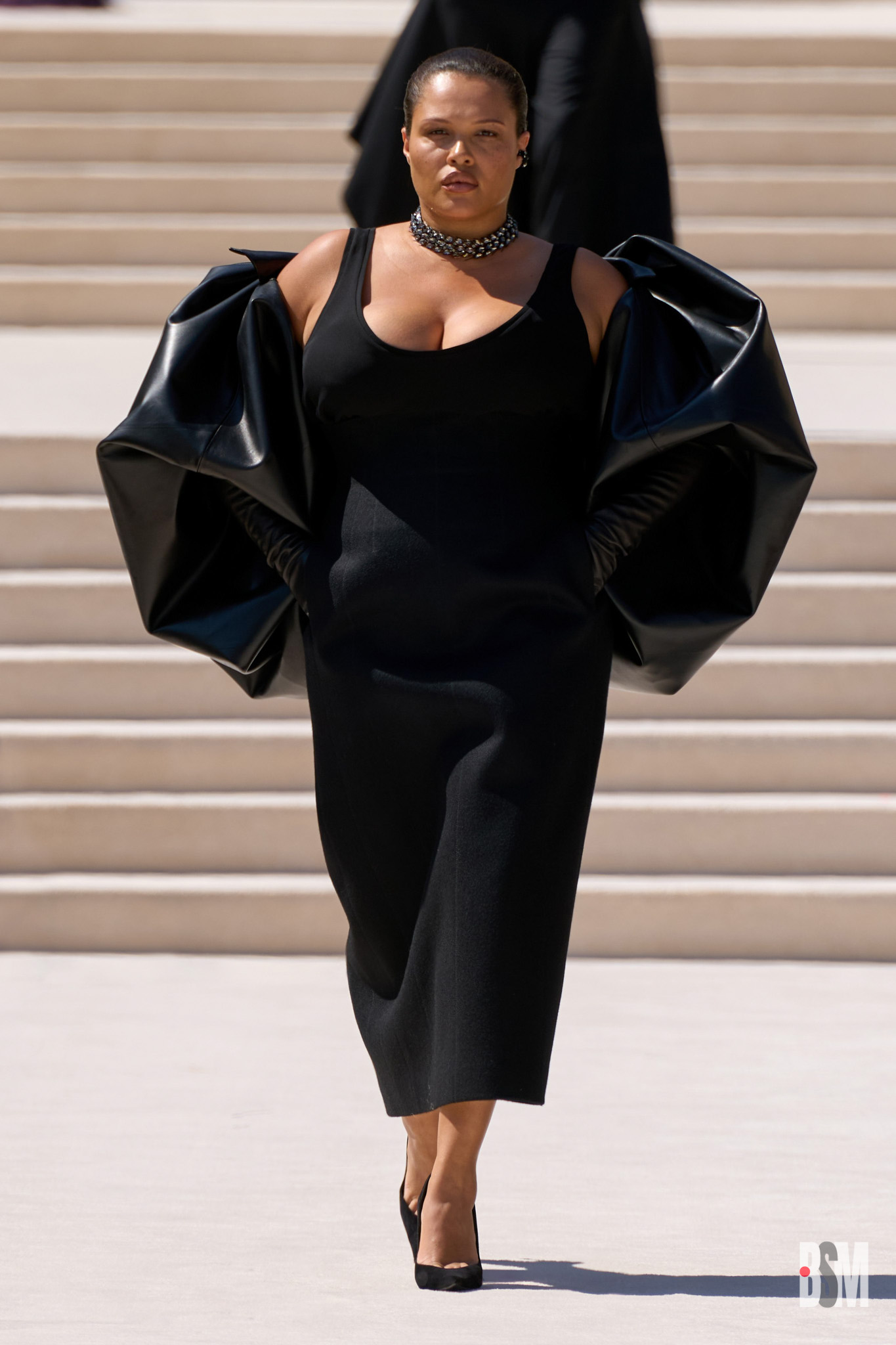
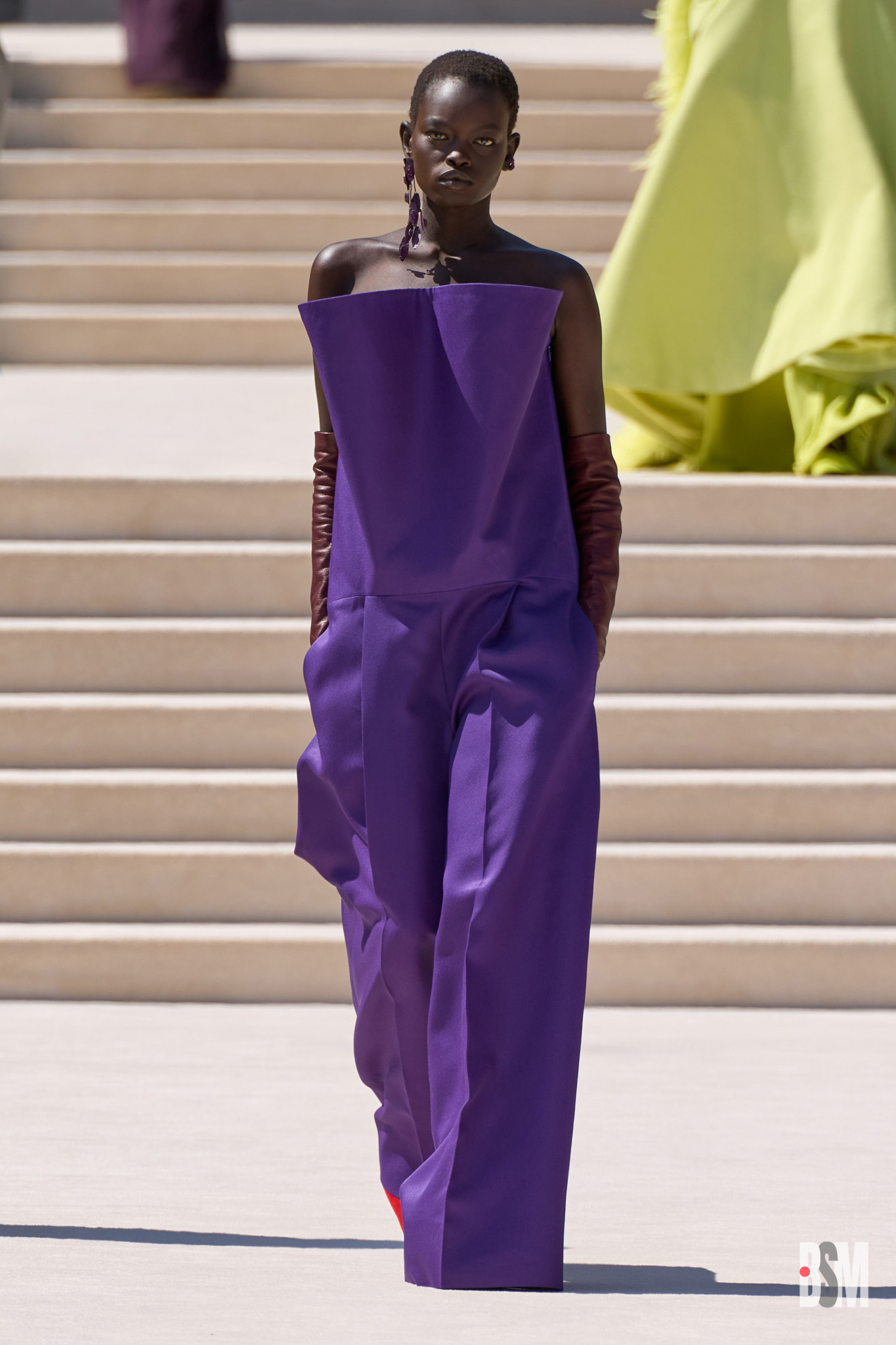
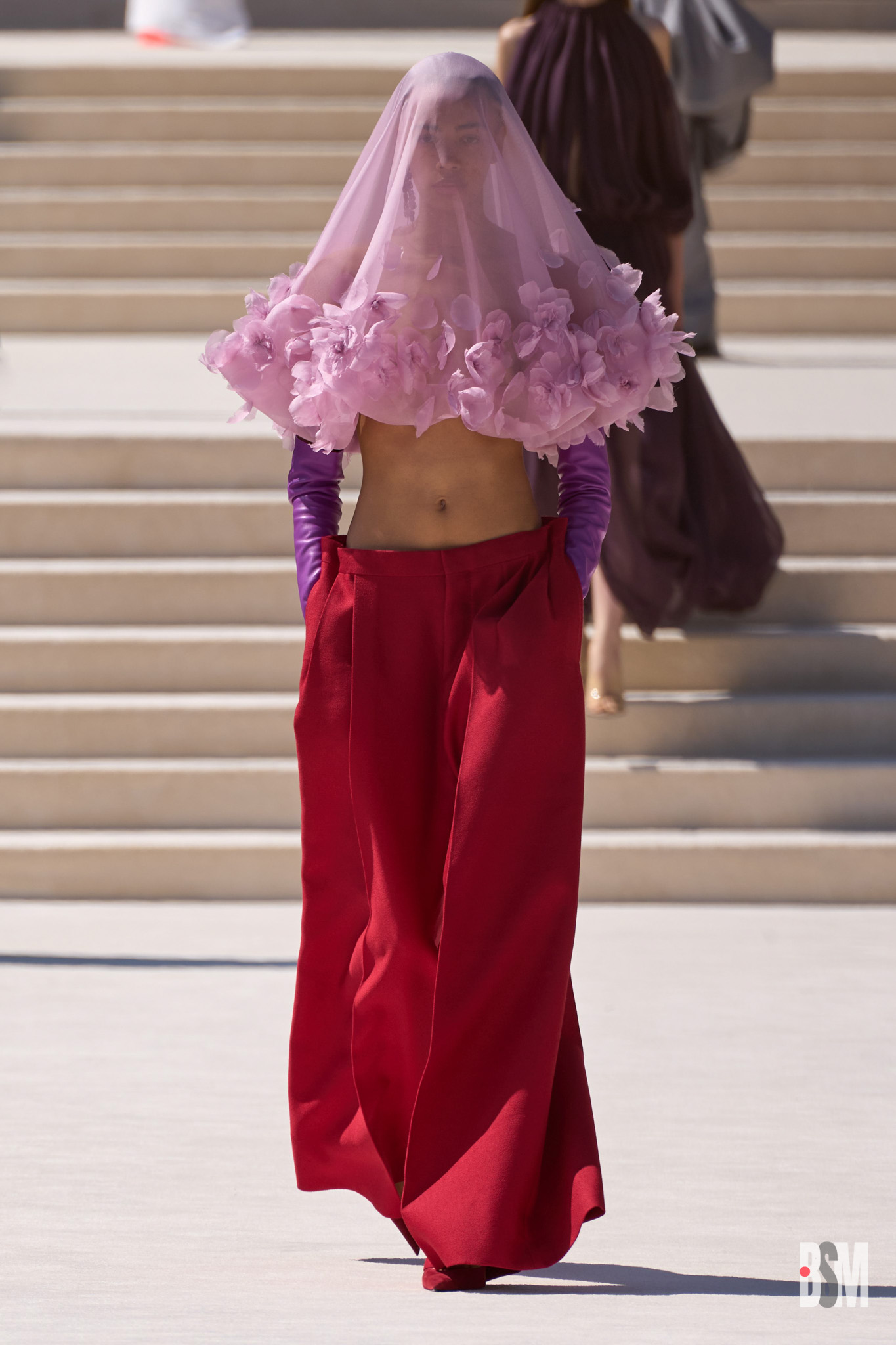
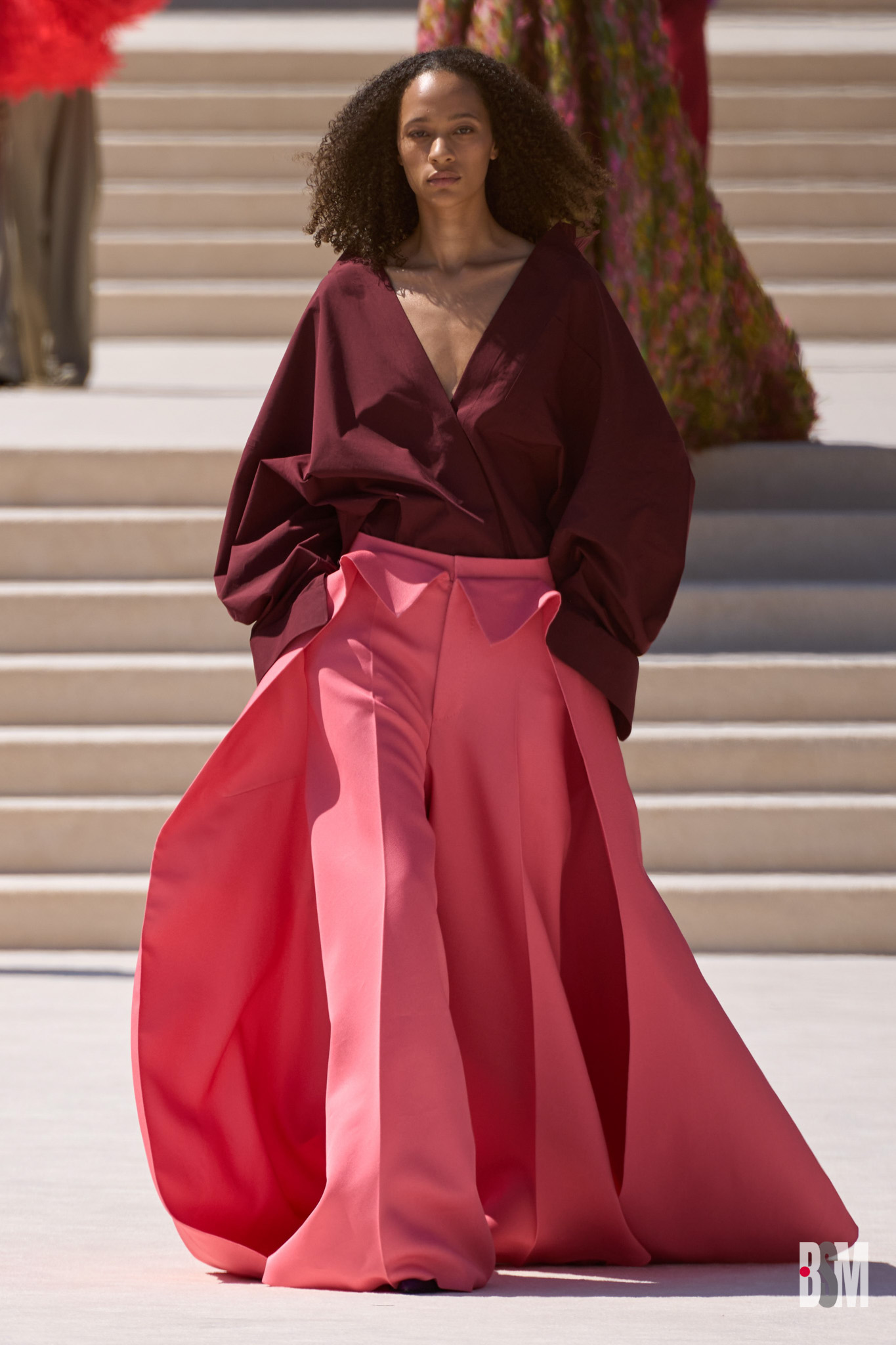
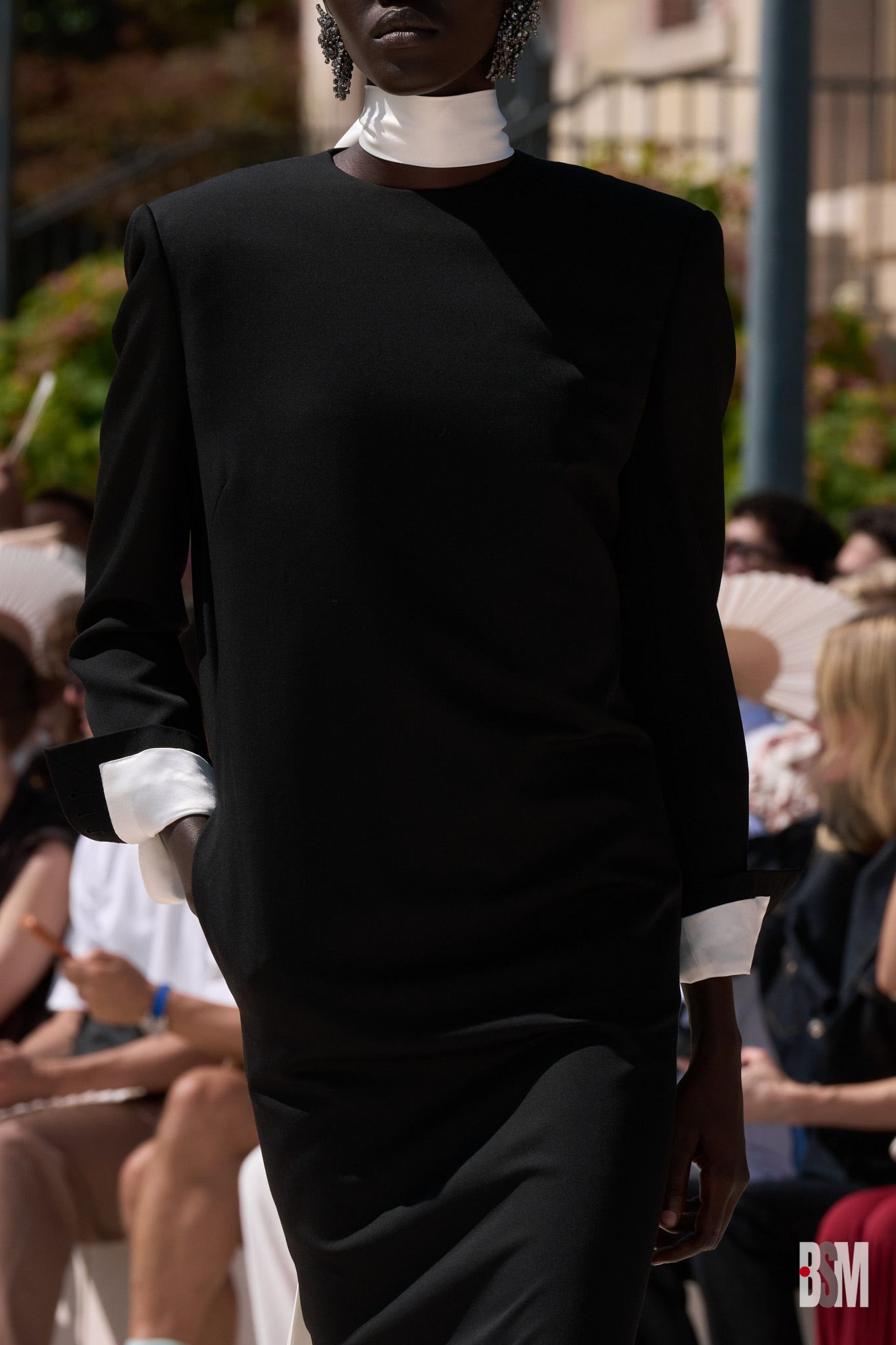
Broad shoulders become cantilevers. Monumental collars function like protective walls. Oversized trousers transform legs into columns. Veils dissolve the face while simultaneously enlarging the presence of the wearer.
Instead of celebrating anatomy, the collection redraws it.
The body becomes a framework upon which entirely new proportions are imagined.
Fashion rarely changes what a body is.
Here, it changes how a body occupies space.

Perhaps the collection's greatest paradox is that concealment creates visibility.
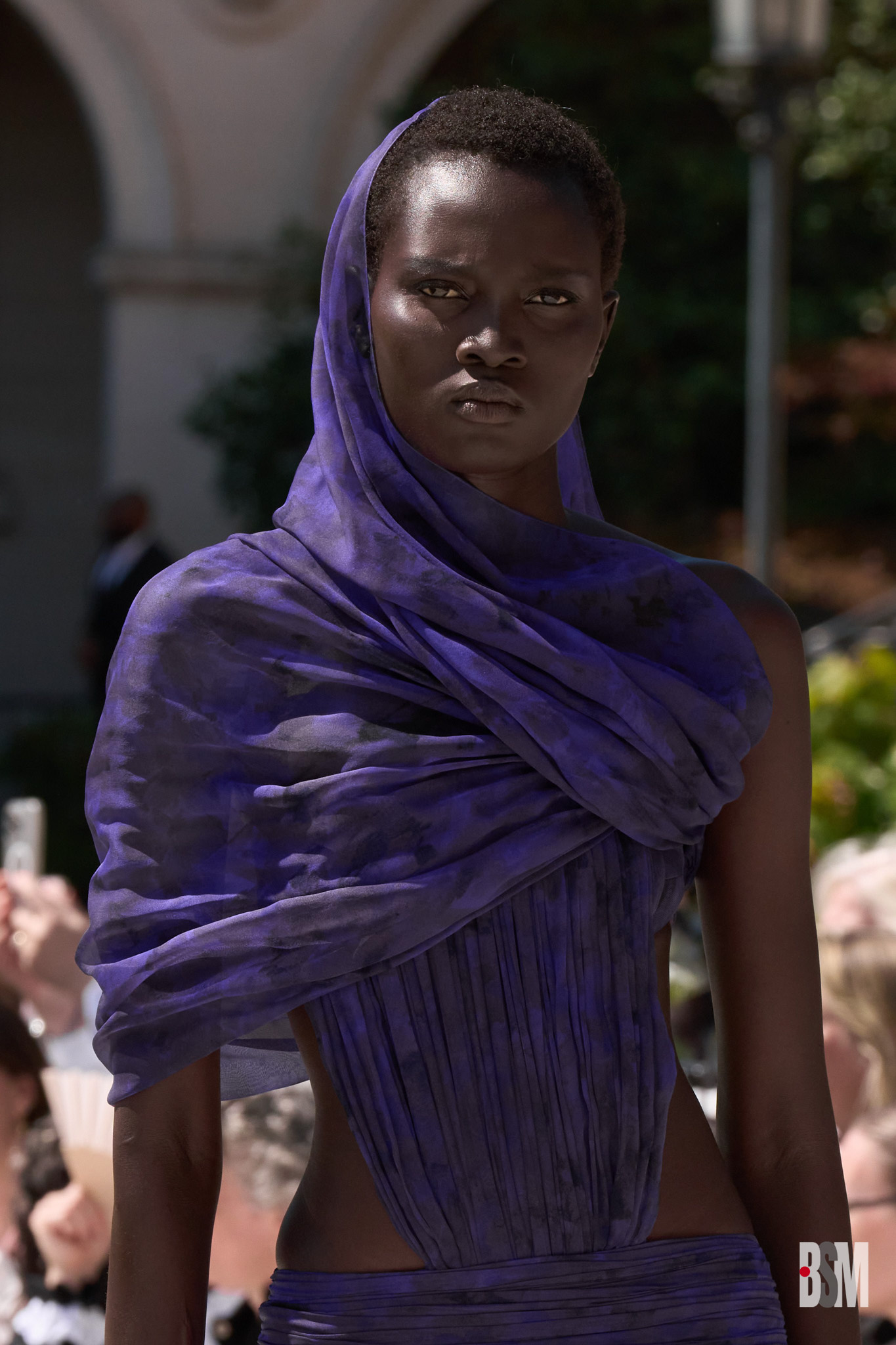
Faces disappear beneath translucent veils.
Necks vanish inside towering collars.
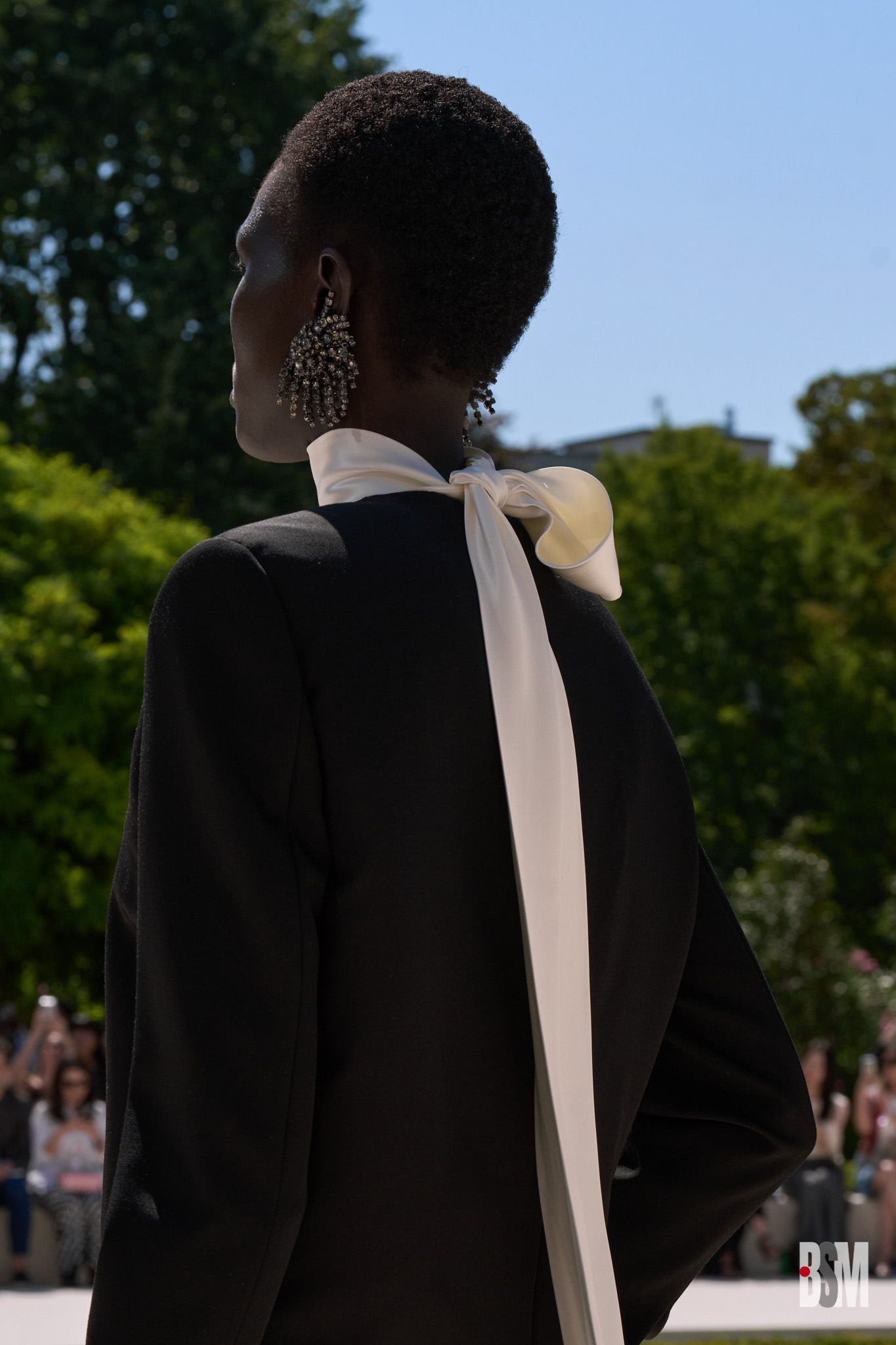
Backs open while fronts remain disciplined.
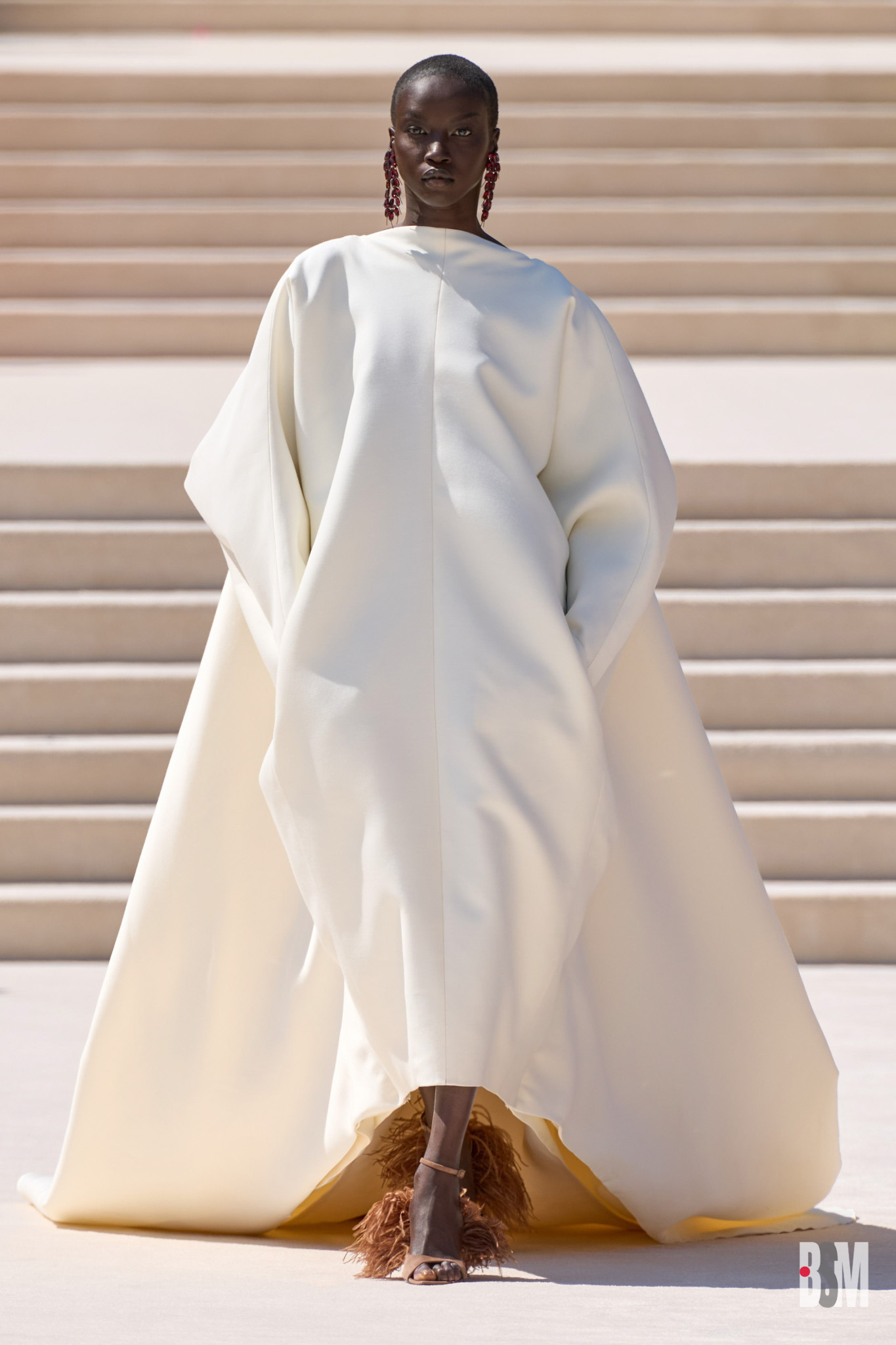
Entire figures dissolve beneath sweeping capes.
Conventional fashion teaches us that visibility comes through revelation.
Piccioli argues the opposite.
Mystery commands attention.
By withholding information, each silhouette forces the viewer to slow down. You begin studying movement instead of skin. Gesture instead of identity. Shape instead of spectacle.
The garments refuse immediate consumption.
They demand observation.
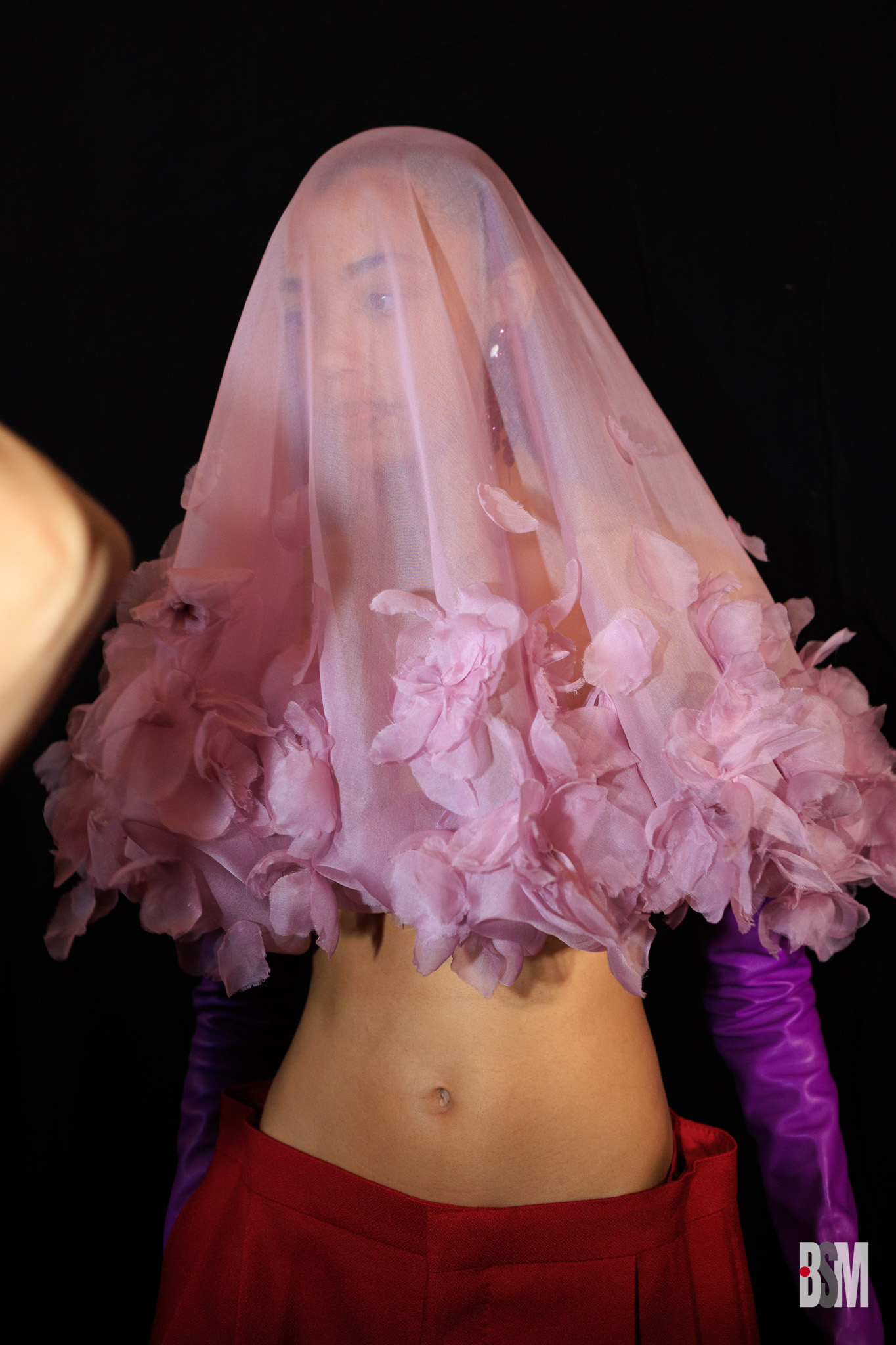
Watching the collection unfold, one thought became impossible to ignore:
The veil separating ourselves from one another has never been thinner.
Today our faces exist everywhere.
Social media, AI, surveillance, livestreams and algorithms have made visibility almost compulsory.
Yet genuine understanding feels increasingly elusive.
Piccioli's veils become unexpectedly contemporary.
They don't erase identity.
They question our dependence on instant recognition.
Sometimes hiding the face allows the silhouette—and the individual—to speak more clearly.
.jpg)
Many of these garments appear almost monolithic standing still.
Then they begin walking.
A white scarf trails behind like a drawn line across space.
A cape unfolds into impossible dimensions.
Wide trousers ripple like moving architecture.
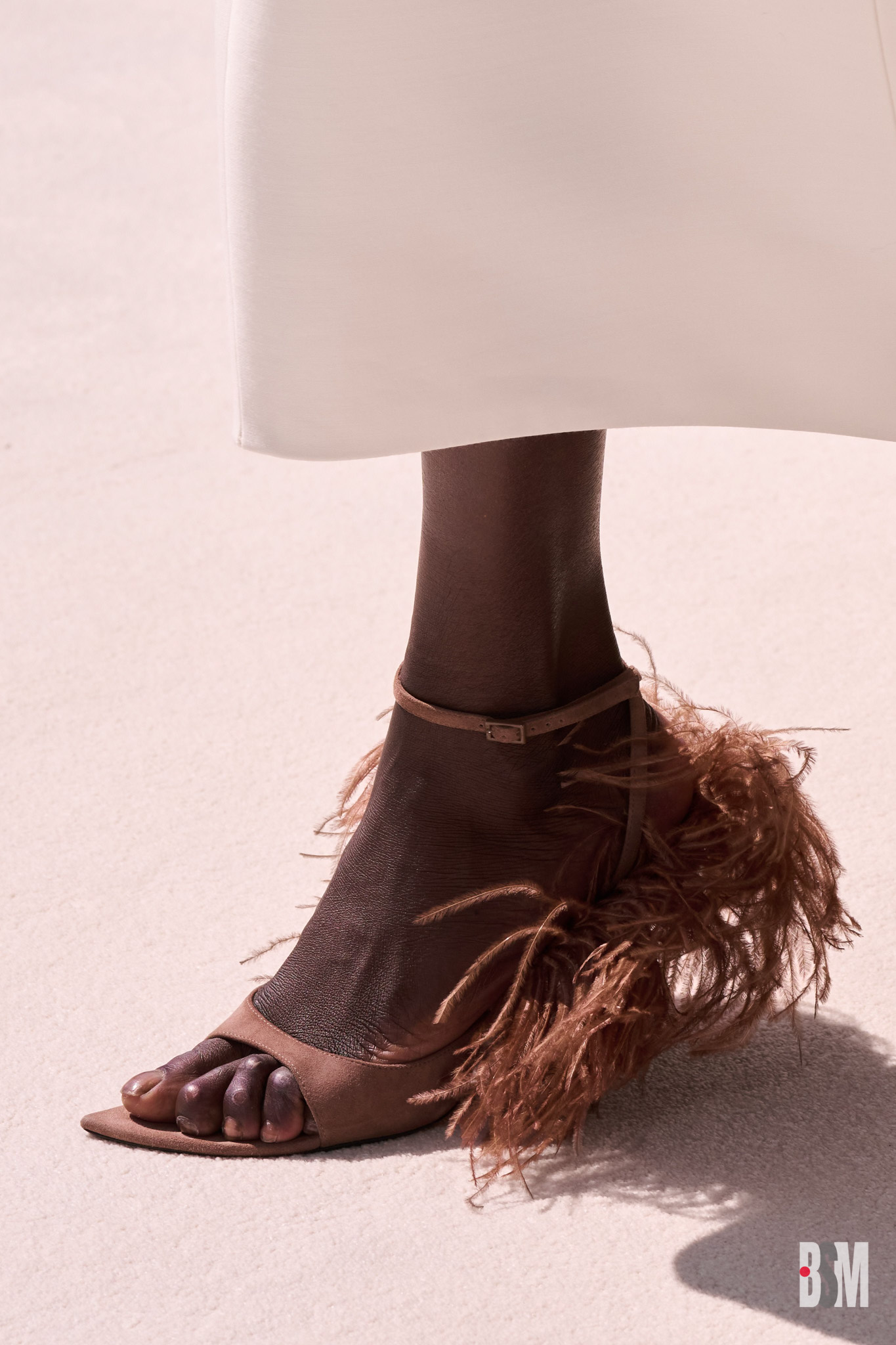
Feathers create their own atmosphere around the wearer.
Movement becomes the final design element.
The runway isn't simply displaying garments.
It's completing them.
.jpg)
For architects, these silhouettes feel strangely familiar.
Compression.
Expansion.
Threshold.
Mass.
Void.
Negative space.
Hierarchy.
Rhythm.
Everything that defines great architecture appears translated into cloth.
The garments establish boundaries around the body without imprisoning it.
They create rooms of fabric.
Portable structures that travel with the wearer.
Fashion becomes architecture liberated from foundations.

The casting gives the collection another layer of significance.
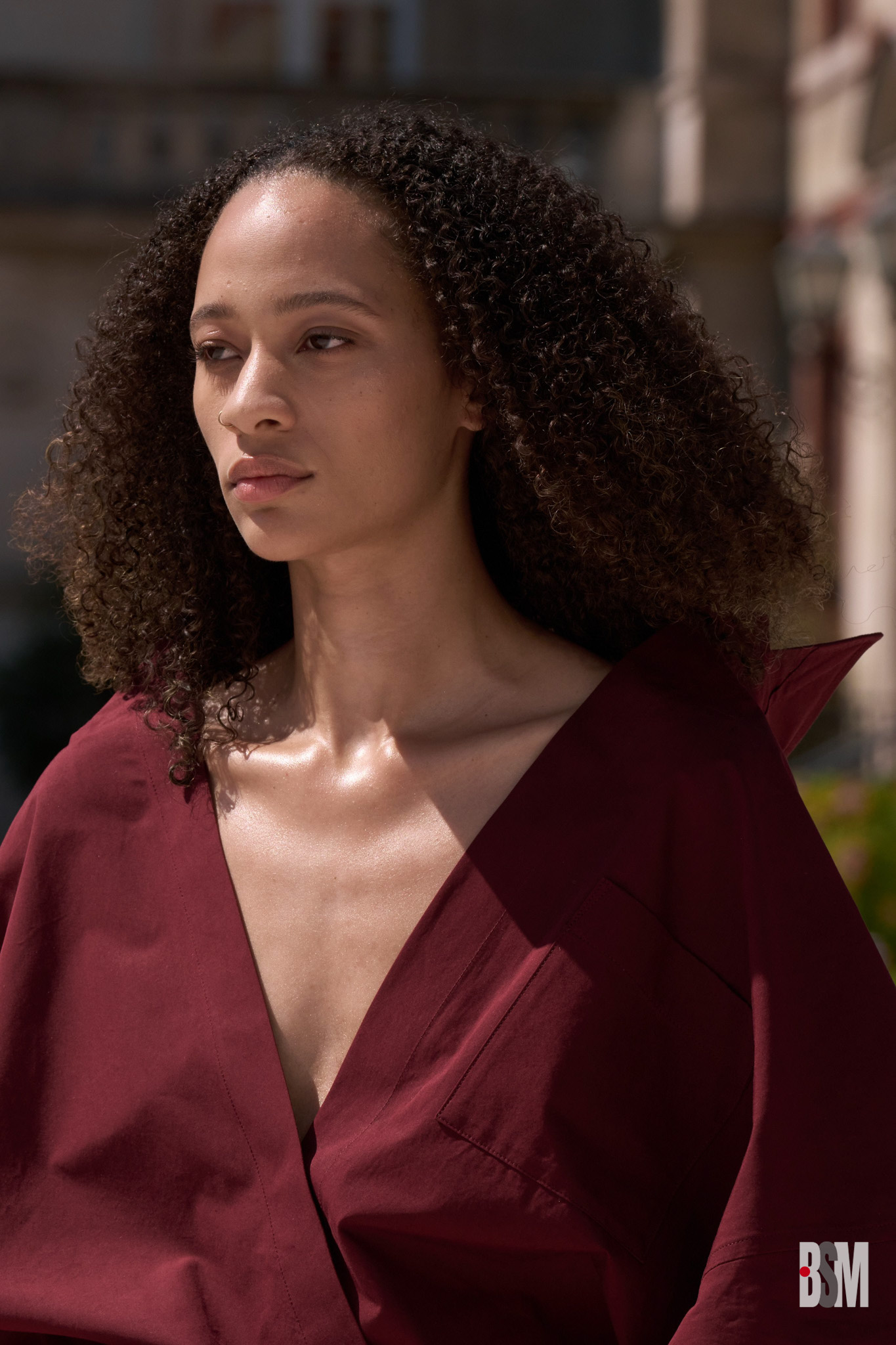
These monumental forms are inhabited by an extraordinary range of Black models whose presence transforms the emotional reading of each silhouette.
The garments never overwhelm them.
Instead, they amplify posture, confidence and stillness.
The collection reminds us that representation is not simply about inclusion.
It is about authorship.
Who gets to embody monumentality?
Who gets to occupy space without apology?
Who gets to become architecture?
The answer here feels unmistakable.
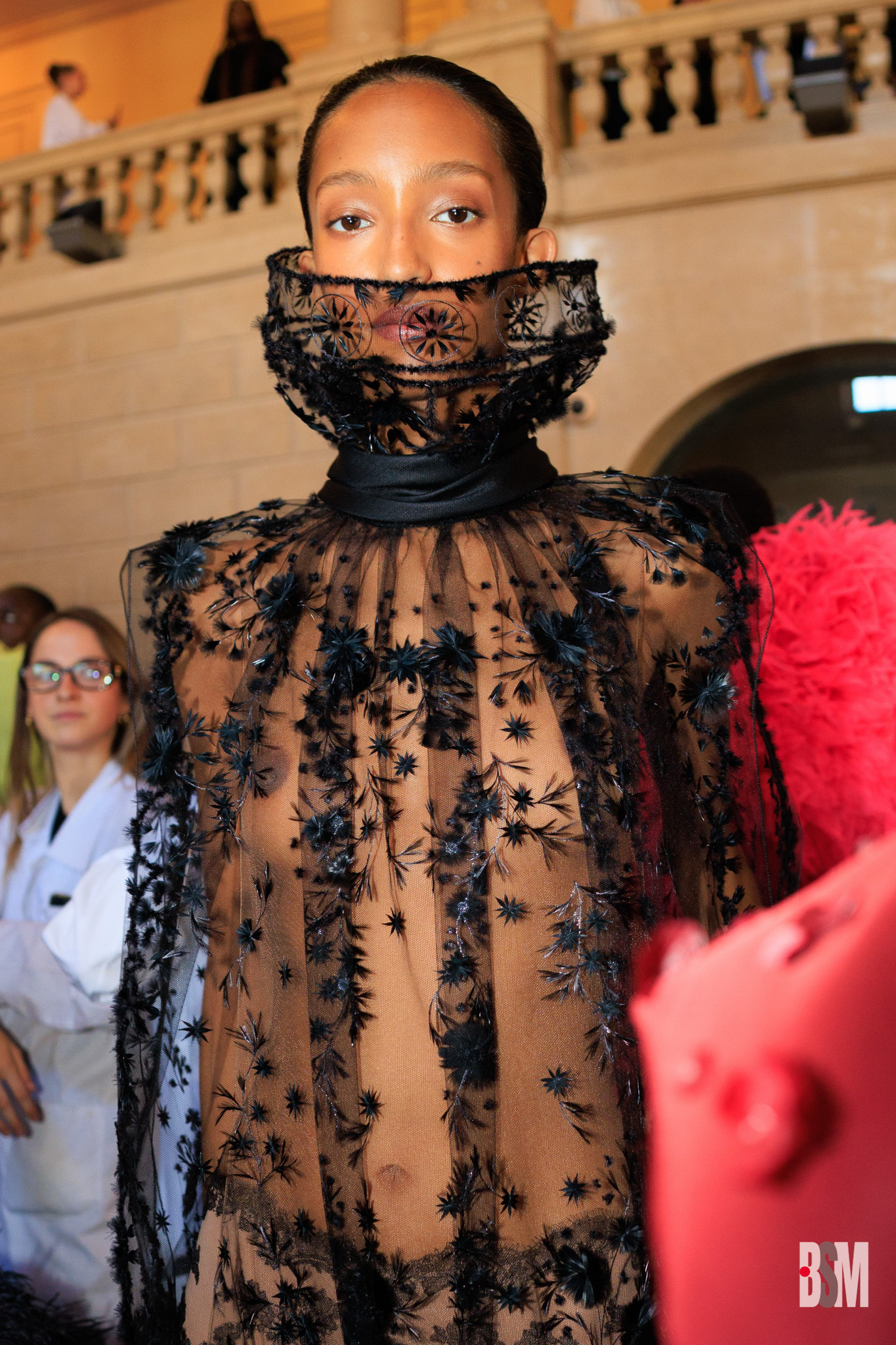
Fashion often celebrates disruption.
Piccioli offers something more enduring.
Evolution.
His work doesn't reject couture history.
It extends it.
The romanticism of Valentino remains.
The rigor of Balenciaga emerges.
Together they produce a new vocabulary—one where softness carries structural weight and monumental tailoring coexists with emotional vulnerability.
This is not nostalgia.
Nor is it futurism.
It is evolution through artistry.
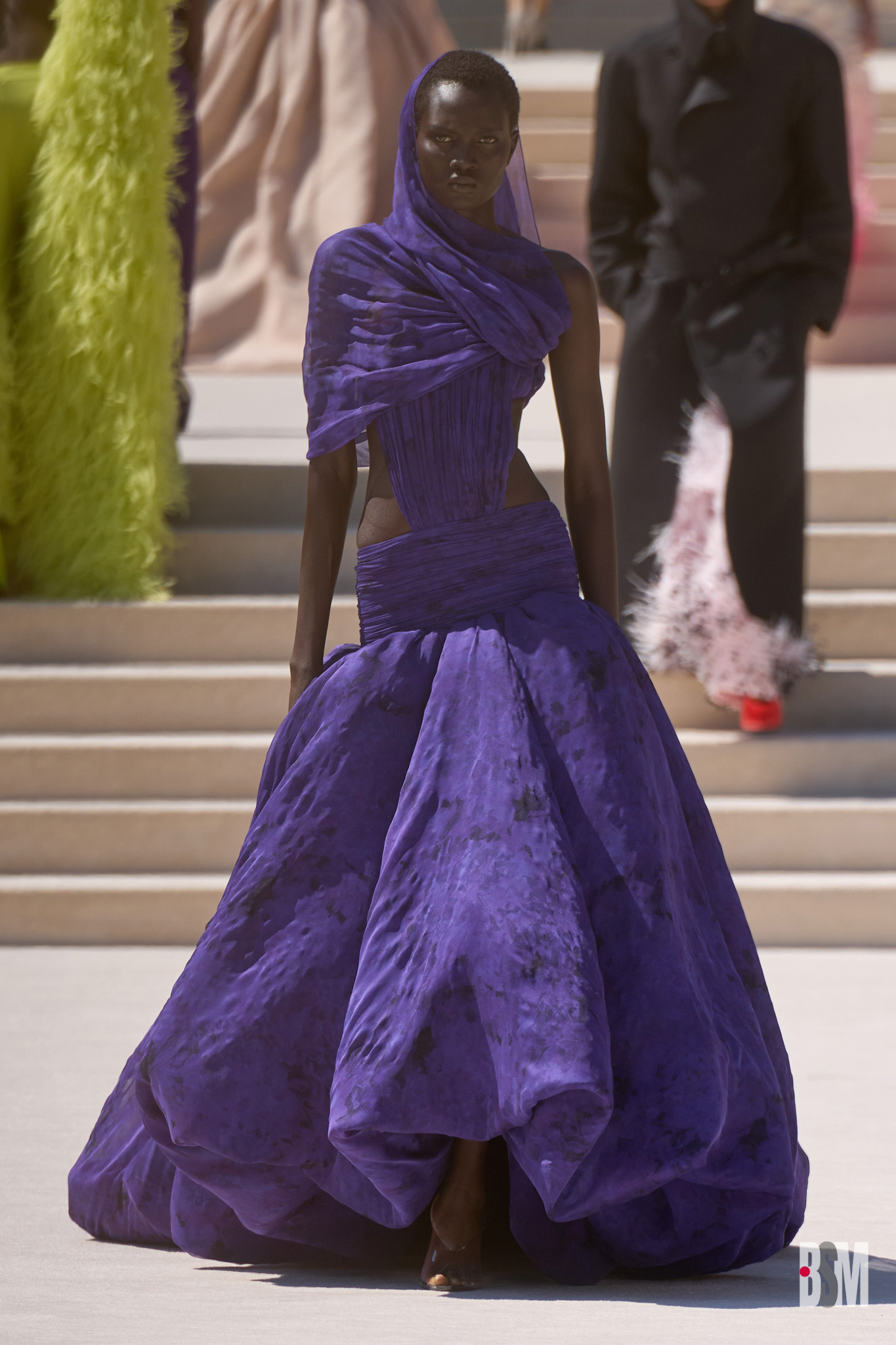
Great fashion changes the way we look.
Exceptional fashion changes the way we see.
This collection asks us to reconsider visibility itself.
Perhaps power isn't found in exposing more.
Perhaps it lives in carefully deciding what remains unseen.
In an era obsessed with revealing everything, Pierpaolo Piccioli reminds us that mystery still possesses extraordinary architectural strength.
The veil, after all, has never been about hiding.
It has always been about directing the gaze.
And in this collection, every gaze is led toward something larger than clothing: the enduring power of sculpting, artistry, and the evolving relationship between the body and the world that witnesses it.
.jpg)
.jpg)
.jpg)
.jpg)
.jpg)
.jpg)
.jpg)
.jpg)
.jpg)
.jpg)
.jpg)
.jpg)
.jpg)
.jpg)
.jpg)